Camels do not usually swim three kilometres out to sea. Gujarat’s Kharai breed does exactly that, twice a year, to reach its food.

🏛️ Must Know
What Makes the Kharai Camel Unique
- The Swimming Camel The Kharai camel can swim up to three kilometres through shallow seawater to reach offshore grazing grounds.
- Mangrove Grazer It survives largely by grazing on mangroves, a diet unusual among camel breeds worldwide.
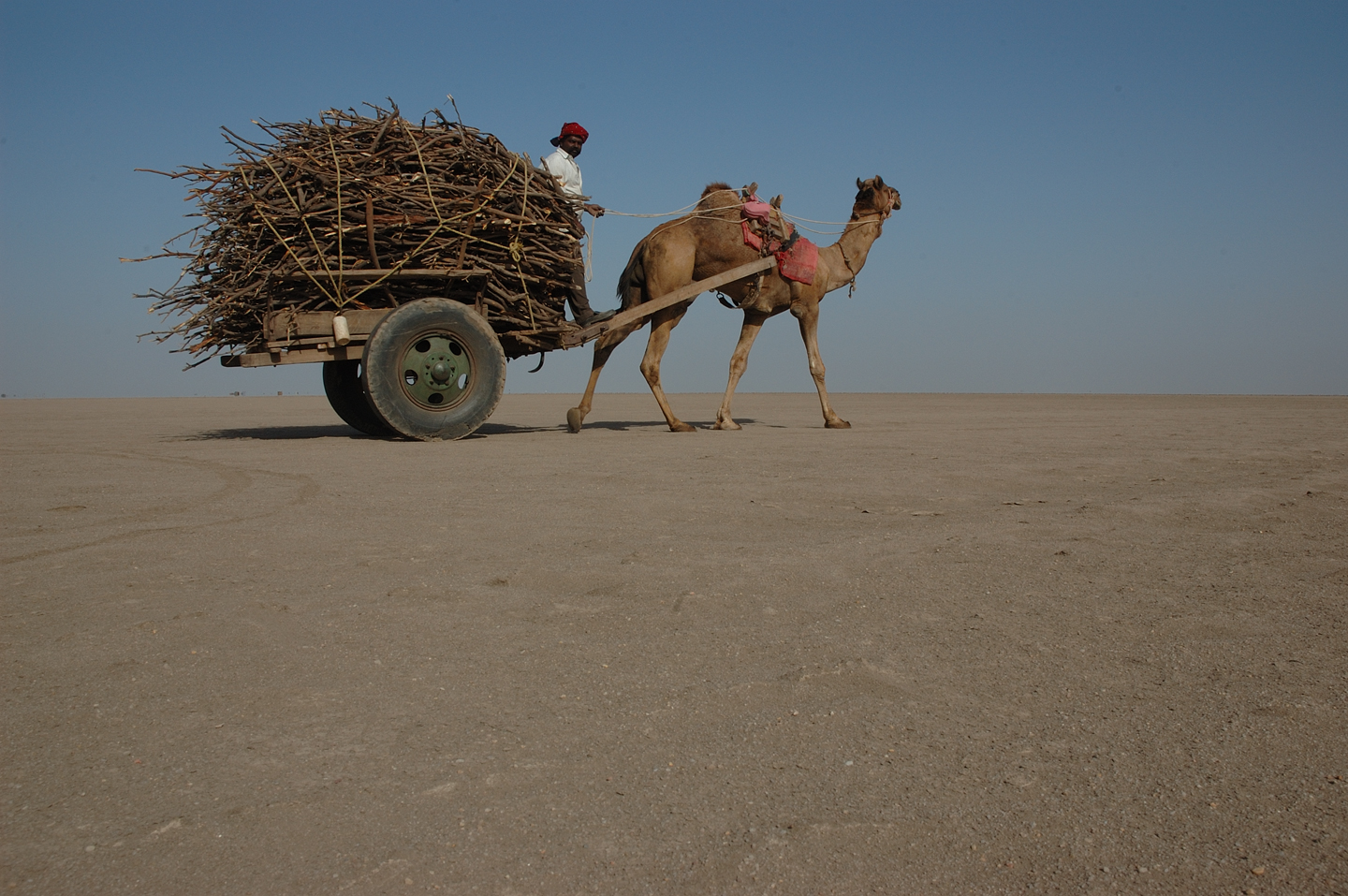
- Fully Domesticated It is not wild. Rabari and Fakirani Jat communities in Kutch have domesticated and herded it for roughly 400 years.
- Two of Three Are True Only the swimming and mangrove-grazing claims are correct. The wild, non-domesticated claim is false.
Good to Know
📘 Good to Know
Where and Why It Lives This Way
- Found in Kutch The Kharai camel lives in the coastal salt marshes of Kutch district, Gujarat. Its name comes from the Gujarati word for “salty.”
- A Recognized Breed Since 2015 Kharai camels were formally recognized as a distinct breed only in 2015, despite centuries of local herding.
- Monsoon Migration During the monsoon, herds swim out to neighbouring mangrove islands in large numbers to graze.
📝 Previous Year Questions
UPSC CSP 2016 — What Is Unique About the Kharai Camel
- UPSC 2016 Swimming up to three kilometres and grazing on mangroves are genuine Kharai camel traits. It is domesticated, not wild. See UPSC CSP 2016 GS Paper I, Q44. View this question.
Test Yourself


Great to Know
🌟 Great to Know
A Breed Tied to a Shrinking Habitat
- Mangroves Are Its Lifeline Because Kharai camels depend on mangroves for food, mangrove destruction directly threatens the breed’s survival.
- A Population Under Pressure Estimates put Kharai numbers above 10,000 a decade ago in Gujarat, though local conservationists report continued pressure on the breed.
- Connects to Other PYQ Facts Its dependence on mangrove ecosystems links it to the same coastal-habitat conservation questions UPSC asks about other Gujarat coastal species.
Beyond the answer
Browse all environment-and-ecology topics →
📚 Keep reading
EnvEco0027 — Mangrove Forests of India: Beyond the SundarbansUPSC CSP 2016 — General Studies Paper I (Full Question Paper)IndGeo0036 — The Rann of KutchIndGeo0042 — The Gulf of Kutch and Gulf of KhambhatPolity0133 — Border Security Force (BSF)❓ Practice this topic
In Pew Research's 2025 global survey, roughly what median share of people in middle-income countries said they are willing to make at least some lifestyle changes to help address climate change?India's mineral security problem is mostly about which of the following, rather than a shortage of underground reserves?Roughly what share of India's total degraded land is concentrated in just nine states, including Rajasthan, Maharashtra, and Gujarat?Roughly how much employment has India's Bonn Challenge restoration work generated, alongside its ecological goals?🎲 Take a Environment And Ecology Quiz
Leave a Reply