The Rigveda says a chief could not rule without a Samiti. Long before kings and courts, Rigvedic tribes ran their affairs through assemblies, elected trust, and a family structure built on shared work.

Timeline
- c. 1500-1000 BCE: Rigvedic tribes are governed through kin-based assemblies, not fixed kingship.
- Within the Rigveda: the Purusha Sukta hymn first names the four groups later called varnas.
- Later Vedic period: power shifts toward hereditary kingship and settled, territorial Janapadas.
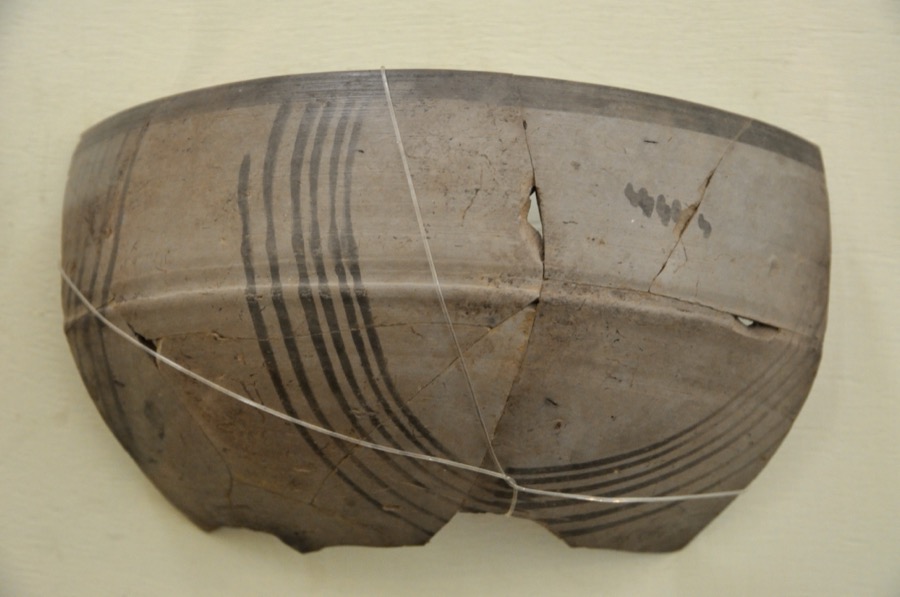
- Today: excavated Vedic-era pottery helps historians confirm where these tribes actually lived.
Government by Assembly, Not by Decree Need to Know
- The Rigvedic Rajan was a tribal chief, called “Janasya Gopa,” or protector of the people.
- His power was not absolute. Tribal councils checked and guided his decisions.
- The Sabha was a smaller council, likely of elders, with judicial and advisory functions.
- The Samiti was a larger popular assembly, tied to major decisions like backing a chief.
- The Rigveda itself says a ruler needed the Samiti’s support to rule effectively.
- The Vidatha was likely the oldest of the three, combining social, ritual, and political roles.
- Officials included the Purohita (priest), Senani (military leader), and Gramani (village head).
- This kin-based system later gave way to settled, territorial Janapadas under hereditary kings.
From Family to Tribe Good to Know
- Rigvedic society was organised in nested units, each larger than the last.
- The smallest unit was the Griha, or household, headed by the Grihapati.
- A group of related households formed a Grama, or village, led by a Gramani.
- Several villages together formed a Vish, or clan.
- Multiple clans together formed a Jana, or tribe, the largest political unit of the age.
- Society was patriarchal, though this era’s family and gender norms are covered in more depth elsewhere.
- Cattle wealth underpinned this whole system, closely tied to Rigvedic-age agriculture and economic life.
- The Sabha and Samiti operated within this same tribal frame, not as separate, distant institutions.
Test Yourself

A Social Order Not Yet Fixed Great to Know
- The Purusha Sukta, a hymn in the Rigveda‘s tenth book, names four groups for the first time.
- It describes Brahmana, Rajanya, Vaishya, and Shudra as born from a cosmic being’s mouth, arms, thighs, and feet.
- These names later hardened into the rigid varna system, but not yet in this period.
- In early Rigvedic society, occupation could still cross these lines fairly freely.
- One Rigvedic verse has a person say: “I am a poet, my father is a physician, my mother grinds corn.”
- Intermarriage between groups also faced far fewer restrictions than in later centuries.
- The full evolution of this system into a rigid varna hierarchy is a separate, later story.
- Rigvedic ritual and religious life, including the gods invoked in assembly and sacrifice, also shaped this world.
- So did the wider debate over where these Vedic-speaking tribes originally came from.
Legacy
- The Sabha and Samiti are often cited as India’s earliest recorded tradition of collective political deliberation.
- They show that early Vedic governance rested on consultation, not on one ruler’s unchecked word.
- This tribal, assembly-based model eventually gave way to settled territorial states.
- Even so, its vocabulary and spirit shaped how later Indian texts described legitimate rule.
Leave a Reply