For millions of years, every human on Earth lived by hunting animals and gathering wild plants. Then, in just a few thousand years, farming changed everything.
This article covers how hunter-gatherer societies actually lived, and why people eventually shifted to growing crops and keeping animals.
🏛️ Must Know
How Hunter-Gatherers Actually Ate
- Four Food Sources Early humans got food by gathering plants, scavenging, hunting, and fishing. Gathering meant collecting seeds, nuts, berries, fruits, and tubers.
- Scavenging Came First Many scholars now think early hominids scavenged meat from animals that died naturally or were killed by predators, before true hunting began.
- Hunting Began Later Deliberate, planned hunting of large mammals only starts around 500,000 years ago, based on sites in England and Germany.
📘 Good to Know
Studying Hunter-Gatherers Today
- The Hadza This small hunter-gatherer group lives near Lake Eyasi in Tanzania. About 80% of their food, by weight, is actually wild vegetables, not meat.
- No Land Ownership The Hadza assert no rights over land or its resources. Anyone can hunt, gather, or draw water anywhere in Hadza country.
- Two Views on Using This Data Some scholars apply hunter-gatherer studies directly to interpret ancient sites. Others argue today’s hunter-gatherers are too different from the past to compare fairly.
- Ethnography This is the study of present-day ethnic groups, covering their livelihood, technology, gender roles, and social customs.
🌟 Great to Know
Why Farming Began
- The Ice Age Ends The last ice age ended about 13,000 years ago, bringing warmer, wetter conditions that favoured wild grasses like barley and wheat.
- Settling Down First As wild grasses and animals grew more abundant in certain areas, people began settling there for longer periods, ahead of true farming.
- Pressure to Produce More As people preferred these resource-rich areas, population pressure likely pushed communities toward deliberately domesticating plants and animals.
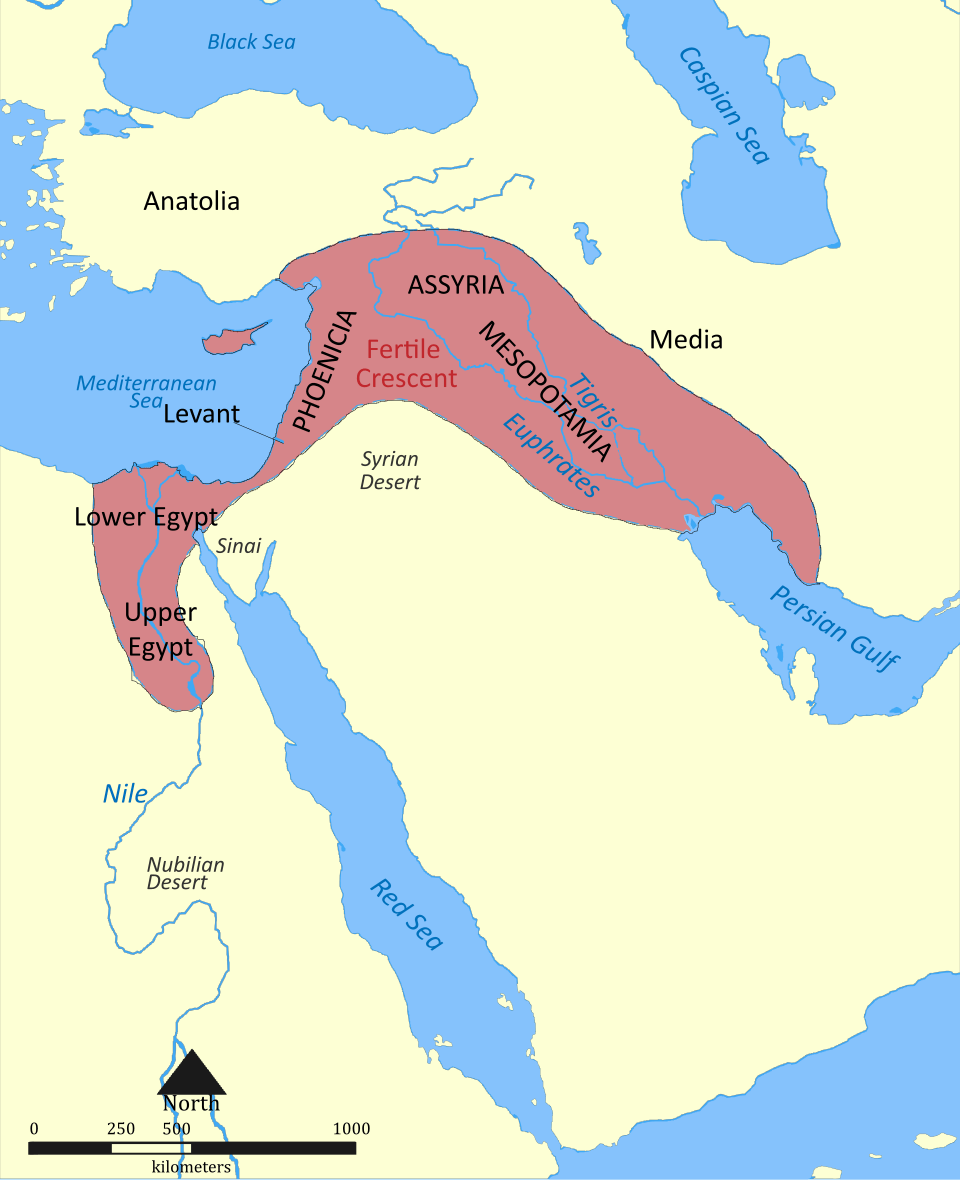
- The Fertile Crescent Farming and pastoralism began here around 10,000 years ago, in the region stretching from the Mediterranean coast to Iran’s Zagros mountains.
What Early Farmers Grew and Raised
- West Asian Crops In West Asia, people grew wheat, barley, peas, and various pulses as their first crops.
- Asian and African Crops In East and Southeast Asia, millet and rice grew easily. Millet was also cultivated in Africa.
- Domesticated Animals People domesticated sheep, goat, cattle, pig, and donkey around the same time they began farming.
- Harnessing Animals About 5,000 years ago, cattle and donkeys were harnessed to ploughs and carts, a major leap in farming technology.
Farming’s Ripple Effects
- Settled Life Growing crops meant staying in one place until harvest, which made settled life common and led to more permanent structures.
- Pottery Communities learned to make earthen pots to store grain and cook the new foods, with real attention paid to making them tasty.
- New Tools Ground and polished stone tools appeared, including mortars, pestles, axes, and hoes, built specifically for farming tasks.
- Toward Cities Growing trade and village life eventually gave rise to small states, setting the stage for the first cities about 5,000 years ago.
Exam Point of View
UPSC CSP 2019: Old World vs New World Crops
- Question UPSC Prelims 2019 asked which group of plants was domesticated in the New World and then introduced into the Old World. The answer is tobacco, cocoa, and rubber.
- Why This article’s West Asian crops, wheat, barley, peas, and pulses, are Old World domestications. Options mixing up Old World and New World plants are a recurring trap.
- Takeaway Keep the two domestication zones separate. West Asia and East Asia gave wheat, barley, millet, and rice. The Americas gave tobacco, cocoa, rubber, maize, and potato.
- Link Source: UPSC CSP 2019, Q21.
✅ Test Yourself


Beyond the answer
Browse all ancient-indian-history topics →
📚 Keep reading
IndEco0024 — Major Crops and Cropping Patterns in IndiaIndEco0032 — Technology Missions in Indian AgricultureLord Ripon: Local Self-Government and the Ilbert BillAncHist0003 — The Prehistoric Period in IndiaUPSC CSP 2021 — General Studies Paper I (Full Question Paper)❓ Practice this topic
AncHist0135 — Vedic Civilisation: Society, Polity and ReligionD4457 — What most directly explains the rising social status of Brahmana priests in the Later Vedic period?D4456 — The Rigvedic river Parushni, site of the Battle of the Ten Kings, is known today as which river?D4455 — In the Rigvedic political system, what best describes the sabha?🎲 Take a Ancient Indian History Quiz
Leave a Reply