GIAHS status sounds like a productivity upgrade programme. It is actually the opposite: a promise to leave old farming methods alone.
🏛️ Must Know
What GIAHS Status Actually Aims to Do
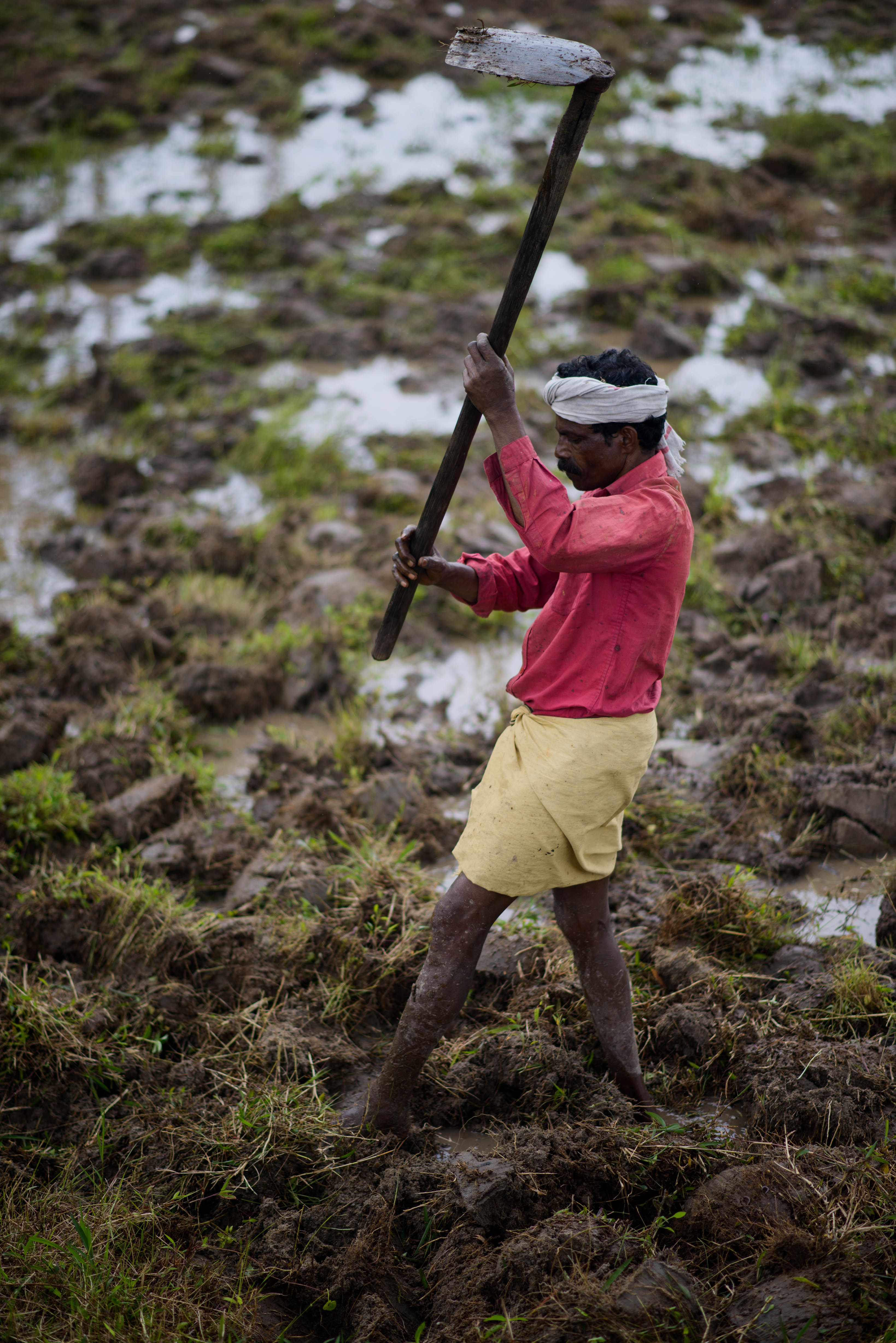
- Safeguard, Not Modernize GIAHS status aims to identify and safeguard eco-friendly traditional farm practices. It is not about upgrading farms with modern technology.
- Landscapes and Knowledge Too The goal covers the associated landscapes, agricultural biodiversity, and knowledge systems of local communities, not just crop yields.
- Not a Productivity Scheme GIAHS does not aim to greatly enhance agricultural productivity through modern training and financial support.
- Not a GI Tag Programme GIAHS also does not grant Geographical Indication status to farm varieties. That is a separate, unrelated legal protection.
Good to Know
📘 Good to Know
How the FAO Runs GIAHS
- Run by the FAO GIAHS is a Food and Agriculture Organization programme, started in 2002 to recognize time-tested traditional systems.
- Balancing Old and New The programme aims to balance conservation, sustainable adaptation, and socioeconomic development for the communities that maintain these systems.
- India’s GIAHS Sites India’s recognized GIAHS sites include Koraput’s traditional agriculture in Odisha and Kuttanad’s below-sea-level farming in Kerala.
📝 Previous Year Questions
UPSC CSP 2016 — The Overall Goal of GIAHS
- UPSC 2016 GIAHS aims to identify and safeguard traditional farm practices and their associated landscapes and knowledge systems. See UPSC CSP 2016 GS Paper I, Q27. View this question.
Test Yourself


Great to Know
🌟 Great to Know
Why Traditional Systems Need Special Protection
- A Real Loss of Diversity Koraput’s rice landrace diversity fell from around 1,800 varieties in the 1960s to about 350 by the 1990s.
- More Than Farming These systems support carbon sequestration, watershed protection, and biodiversity conservation as side benefits of the traditional methods themselves.
- Connects to Other PYQ Facts GIAHS sits alongside other FAO and UN conservation-recognition programmes UPSC tests, each with its own distinct scope and rules.
Beyond the answer
Browse all environment-and-ecology topics →
📚 Keep reading
IndEco0032 — Technology Missions in Indian AgricultureUPSC CSP 2016 — General Studies Paper I (Full Question Paper)UPSC CSP 2026 — General Studies Paper I (Full Question Paper)IndEco0027 — E-Technology in FarmingIndEco0203 — Zero Budget Natural Farming: From One Farmer's Idea to a National Mission❓ Practice this topic
D0306 — Consider the following statements: 1. NCAP is a statutory programme backed by a dedicated law. 2. City action plans under NCAP are tracked on the PRANA portal. 3. The Graded Response Action Plan stages emergency measures for Delhi-NCR by AQI level. How many of the statements are correct?D0305 — Which statement best describes a 'non-attainment city' under NCAP?D0304 — What was the original target set by NCAP for reducing PM2.5 and PM10 concentrations by 2024?D0303 — Which ministry anchors the National Clean Air Programme?🎲 Take a Environment And Ecology Quiz
Leave a Reply